Windows Vista Og Parallels Desktop For Mac
I have a MacBook pro in wich I installed Parallels Desktop 5 and Windows vista (home basic). The problem is that I seem to have forgotten my administrator password XXXXX get into Windows. Since I am the only user, I guess the only thing I have left to do is to re-install Windows. To install and set up Parallels Desktop 12 for Mac, you need: A Mac computer with an Intel Core 2 Duo, Core i3, Core i5, Core i7, Core M or Xeon processor. 4 GB of memory (8 GB recommended) 850 MB of disk space on the boot volume (Macintosh HD) for Parallels Desktop installation.
 DxO OpticsPro 10 is here. I'm surprised how it brings a 3-D texture to the clouds in formerly flat. - AppKed Free dxo 11 Download - dxo 11 for Windows Applications filed under: raw - Softpedia Which programs to buy - cambridgeincolour DxO PhotoLab Download - softpedia KevinS - Alamy Long time DxO Optics Pro user... DxO PhotoLab (formerly DxO Optics Pro) chomikuj.pl DxO PhotoLab 1.0.0 – Image enhancement for RAW. Looking forward.
Because I write a newspaper column that often features reviews of new personal computer systems, those in the market for a machine often ask my advice—and that includes my coworkers. I can always tell when they're seeking counsel, because they usually initiate the conversation with, 'People probably ask you this all the time, but.' I don't mind doing this. In fact, I enjoy it, because it keeps me in touch with what everyday folks want in personal technology. What I'm hearing more often lately from Windows users is that they are considering buying a Mac, but they also want the option to run Windows on it. Almost all of them, though they are not techies, have heard of Parallels Desktop for Mac, and as Windows users looking to switch, it's an intriguing product for them.
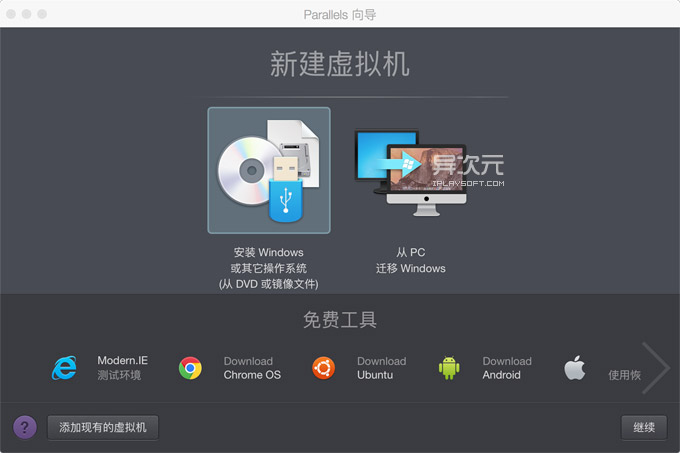
Showing them Parallels in action—particularly running on Leopard—is a compelling experience for Windows users, and usually turns those who were merely curious into bona fide Mac buyers. Launching Windows in Parallels There are several ways you can launch Windows in Parallels Desktop for Mac. You can:. Double-click the icon Microsoft Windows Vista that the installation process left on the Mac desktop. Launch Parallels by double-clicking its program icon, which is stored in a subfolder labeled Parallels inside the Applications folder. Launch a program installed in Windows, or a Windows component. Double-click a document in Mac OS X that's been associated with a Windows application in Parallels.
Yes, you read that last one correctly. You can designate documents on the Mac to always be opened by programs in Windows. Let's look at each of these methods, and why you'd choose one over the other. Using the Desktop Icon This is the simplest, fastest way to start the Windows Vista virtual machine you've created:. Locate the icon that Parallels placed on your desktop when you created the Windows Vista virtual machine. It should be labeled Microsoft Windows Vista.pvs ( ).

Parallels gives you a handy icon that lets you quickly launch your virtual machine. Double-click the icon. Parallels Desktop launches.
Vista will start within it automatically. If you don't mind icons on your desktop, this is the quickest way to get to Windows.
Later in this chapter, I'll show you a way to get Windows working even faster. Using the Parallels Icon All applications installed on a Mac are placed in the Applications folder. If you're new to the Mac, you can find the Applications folder by double-clicking the hard-drive icon on the Mac desktop. From there:. Double-click the Applications folder, and then the Parallels subfolder. Then double-click the Parallels Desktop icon. Parallels launches.
If you have only one virtual machine, the program opens directly to Parallels' Configuration screen ( ). Got more than one virtual machine? Choose the one to run here. Select the operating system you want to use, and then click the Select button. At the Configuration screen, click the green arrow button mentioned in Step 2 to launch Windows. Starting a Windows Application In Parallels Desktop, you can start a Windows program without actually starting Windows first. This is very handy if you frequently use a given program.
Since many people want to run Windows on the Mac so that they have access to a favorite Windows software title, this may be the most efficient launch method for many users. If you'll recall from Chapter 3, part of the setup process involved creating a virtual hard disk on which Windows is then installed. This launch technique involves browsing that virtual disk, finding the program file, and double-clicking it. Double-click the Macintosh HD icon on the desktop, and then double-click Users Your Home folder (labeled with your account name) Documents Parallels. In the Parallels folder, you should see the subfolder containing your Windows Vista installation—if you accepted the setup defaults, it should be labeled Microsoft Windows Vista. Double-click this subfolder.
You'll see another subfolder called Windows Applications. Open the Windows Applications folder, and you'll see shortcuts to frequently used Windows applications ( ). TIP Don't see the program you want in the Windows Applications folder? You can make it available easily on the Mac desktop. First launch Windows in Parallels and then click the Start button. Next, find the shortcut for the program you want in the Windows Program group, and then drag the shortcut icon to the Mac desktop.
Once it's there, you can also drag it to the Dock. Launching Associated Documents Parallels Desktop has a nifty feature called SmartSelect, which allows you to choose which applications launch when a document file is clicked, regardless of the operating system you're using. It works in both Windows Vista and XP. Let's say you have Office 2007 installed on your Windows Vista virtual machine. You can configure SmartSelect so that when you double click a document with a.doc extension—regardless of the operating system in which the document resides—it will always be launched in the Windows version of Microsoft Word. Conversely, if you've got Office for Mac installed, you can have documents on the Windows desktop launch using that suite's version of Word. Part of the work of setting it up is done for you.
When you first installed Windows Vista using Parallels (see Chapter 3), you may recall seeing SmartSelect conduct a quick inventory of available programs. It's this inventory of applications that lets you pick which operating system will launch a given document. Launch Windows Vista in Parallels.
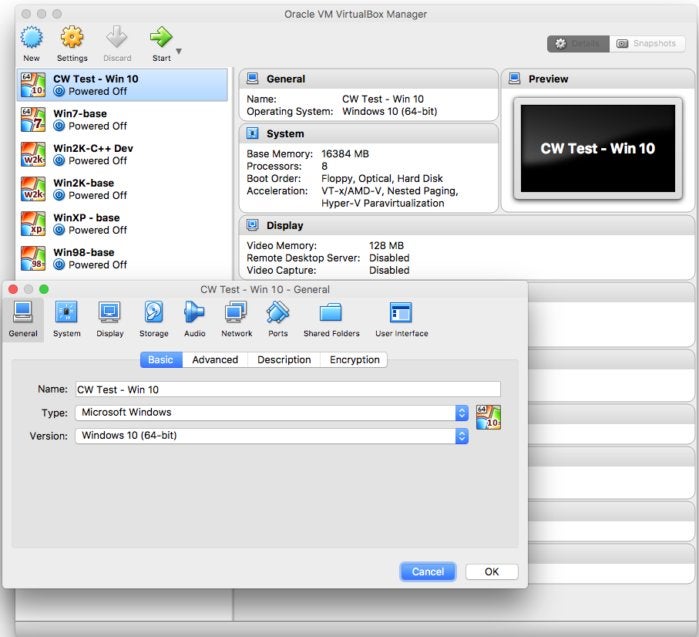
Parallels Desktop For Windows 10
On the Mac menu bar, choose Applications Edit. A submenu appears with a list of available programs ( ). In the SmartSelect window, document types on the left can be matched with the appropriate application on the right. Match the document type with either a Windows or Macintosh application by first selecting a document type on left, and then selecting the application on the right that you want to use to open it. When you're finished, click OK. From now on, when you click a file representing that document type, the associated application launches and displays the document, regardless of which operating system you're using.
Parallels Desktop 10 For Mac
Now that you know the different ways Parallels and Windows can be launched, let's take a look at the ways you can run it.